
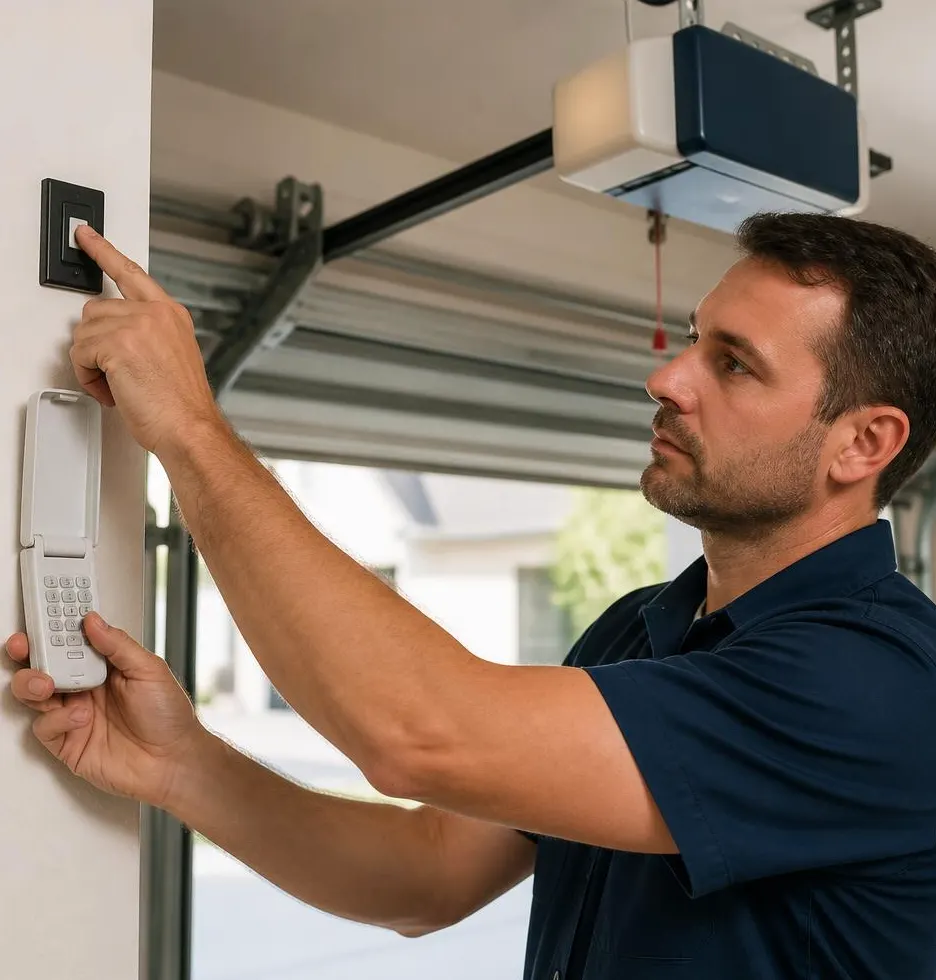
A typical call this time of year starts the same way: a homeowner says the garage door worked fine all summer, and now it's grinding, sticking halfway up, or reversing for no reason. A technician shows up and usually finds one of three things: hardware that loosened during storm season, rust forming on tracks and hinges after months of humidity and salt air, or a torsion spring that's finally giving out after carrying extra strain through hurricane season. None of this is random. It's the direct result of what a garage door in this part of Florida goes through between June and November.
Why the Switch to Dry Season Changes How Your Door Behaves
As the afternoon downpours taper off and humidity starts to drop, wood panels and door seals that swelled during the wet months begin to shrink back down. That shift can loosen fasteners that were tight all summer, or it can suddenly reveal a track alignment problem that the swelling was hiding. Add in the wind load a door absorbed during storm season, and it's common for brackets, hinges, and roller tracks to need re-tightening or re-aligning once things settle down.
Salt air is the other factor. Homes closer to the water in Goodland, Chokoloskee, and Marco Island see faster corrosion on springs, cables, and exposed hardware, especially after a season of storm spray and salty humidity sitting on metal parts. Rust that started as a surface spot in July can be eating into a cable or spring coil by the time cooler weather arrives.
A Practical Winter Readiness Checklist
Before the dry season settles in for good, walk through these steps. Most take fifteen minutes and tell you a lot about what shape your door is really in.
- Look over the panels and tracks. Check for rust spots, dents from wind-blown debris, or gaps where a track has pulled away from the wall after storm vibration.
- Test the auto-reverse safety sensors. Place a piece of wood on the ground where the door closes. If the door doesn't reverse when it hits the wood, the sensors need attention before you rely on the door daily.
- Lubricate rollers, hinges, and springs. Use a garage-door-specific lubricant, not WD-40, which washes off too fast in humid air and doesn't protect against salt corrosion.
- Tighten loose hardware. Storm winds and daily cycling loosen lag bolts and hinge screws over a season. A ratchet and ten minutes can prevent a bigger problem later.
- Check the weatherstripping. Even in the dry season, a worn bottom seal lets in dust, pests, and the occasional lizard looking for shelter as nights cool off. Replacing it now means it's ready for next year's rains too.
- Run a balance test. Disconnect the opener and lift the door halfway by hand. If it doesn't hold its position, the spring tension is off and the opener motor is working harder than it should.
Spring and Cable Wear Signs Worth Taking Seriously
Torsion springs typically last several thousand cycles, but salt air and the added strain of wind-loaded doors during storm season can shorten that lifespan. Watch for a door that feels heavier than usual when lifted manually, loud popping or grinding during operation, or visible gaps in the spring coils. Frayed cable strands near the bottom roller are another sign that corrosion or wear has caught up with the hardware faster than expected. These aren't parts to wait out — a failed spring or snapped cable under tension can cause real damage or injury.
Opener and Sensor Care for the Dry Season
Cooler overnight temperatures and less humidity are generally easier on opener motors and circuit boards, but storm debris and dust kicked up by dry-season winds can still coat photo-eye sensors and limit switches. Wipe sensor lenses with a soft cloth and check that the battery backup, if your opener has one, still holds a charge after being relied on during any storm-season outages. If you have a smart or wifi-connected opener, confirm it's still linked and the app is receiving status updates — storm-related power blips sometimes knock these offline without an obvious warning.
When to Call Everglades City Garage Door Pro
If your balance test fails, the door is off track, or you're seeing rust creeping into the spring coils, it's time to call in a technician rather than keep adjusting things yourself. Our Garage Door Tune-Up & Maintenance service covers the full inspection list above plus hardware tightening and lubrication done right the first time, and our Garage Door Spring Repair team handles worn or corroded springs safely, with the right tension for your door's size and wind-load hardware. We also handle off-track doors, cable repairs, and opener issues for homeowners across Everglades City, Chokoloskee, Ochopee, Copeland, Jerome, Goodland, Marco Island, and Naples.
If your garage door has been acting up since storm season, don't wait for it to get worse. Call Everglades City Garage Door Pro today and get it checked out before the dry season is in full swing.